A reservoir proposed for Park County has raised a question closer to home: what could filling it mean for Homestake Creek and the Eagle River watershed?
Aurora Water’s Wild Horse Reservoir proposal involves water from the Homestake system in Eagle County. Local water groups want clearer information about potential effects on river flows. Aurora says the project would operate within the system’s existing limits. Residents now have until Nov. 19, 2026, to submit comments on the project’s state dredge-and-fill application.
Why This Matters in Eagle County
Homestake Creek flows into the Eagle River, which feeds the Colorado River. That connection makes questions about water stored for use outside the county relevant to the watershed here.
According to reporting by David O. Williams for the Vail Daily, republished by Sentinel Colorado, local water stakeholders are seeking more detail about how much Homestake water would supply Wild Horse and what the effects would be.
For readers, the key issue is how the proposed storage would affect the amount and timing of water remaining in the river system. The comment period gives residents an opportunity to raise those questions during the state’s review.
What Aurora Is Proposing
Wild Horse would be a 95,000-acre-foot reservoir in Park County. The proposed reservoir would sit outside Eagle County, while some of the water supplying it would come through the Homestake system.
Aurora describes the project as additional storage intended to maintain emergency reserves and support a reliable water supply. The proposal remains subject to environmental review and permitting.
What Aurora Says About River Flows
In the Vail Daily’s reporting, Aurora Water spokesperson Zachary Henry said Wild Horse would not alter Homestake system operations and would remain subject to existing legal, physical and streamflow constraints.
Henry said Aurora’s modeling shows no change to monthly average Homestake Creek flows in average and dry years because of the project. In very wet years, he said, monthly average flows downstream of Homestake Creek would decrease slightly in June.
Those are Aurora’s descriptions of its modeling. Local stakeholders continue to seek information about the project’s potential impacts.
Why There Is More Time to Comment
The Colorado Department of Public Health and Environment’s project notice says it received two requests for more review time because of the volume of application materials. The agency extended the original Oct. 5 deadline by 45 days, to Nov. 19.
The Vail Daily identified the Eagle River Water & Sanitation District and the Colorado River District as the entities that requested more time. The extension allows additional review and public input; it does not approve the reservoir.
How to Have Your Say
Residents can review the application materials through the CDPHE project page and submit comments by Nov. 19, 2026.
- Email: cdphe_df_wqcd@state.co.us
- Subject line: WHS PN Comments
- Before submitting: Check the state’s project page for the posted closing time and any updated instructions.
Questions residents may want to address include how projected flow changes were calculated, what environmental effects were evaluated, and what information would help the public understand the proposal.
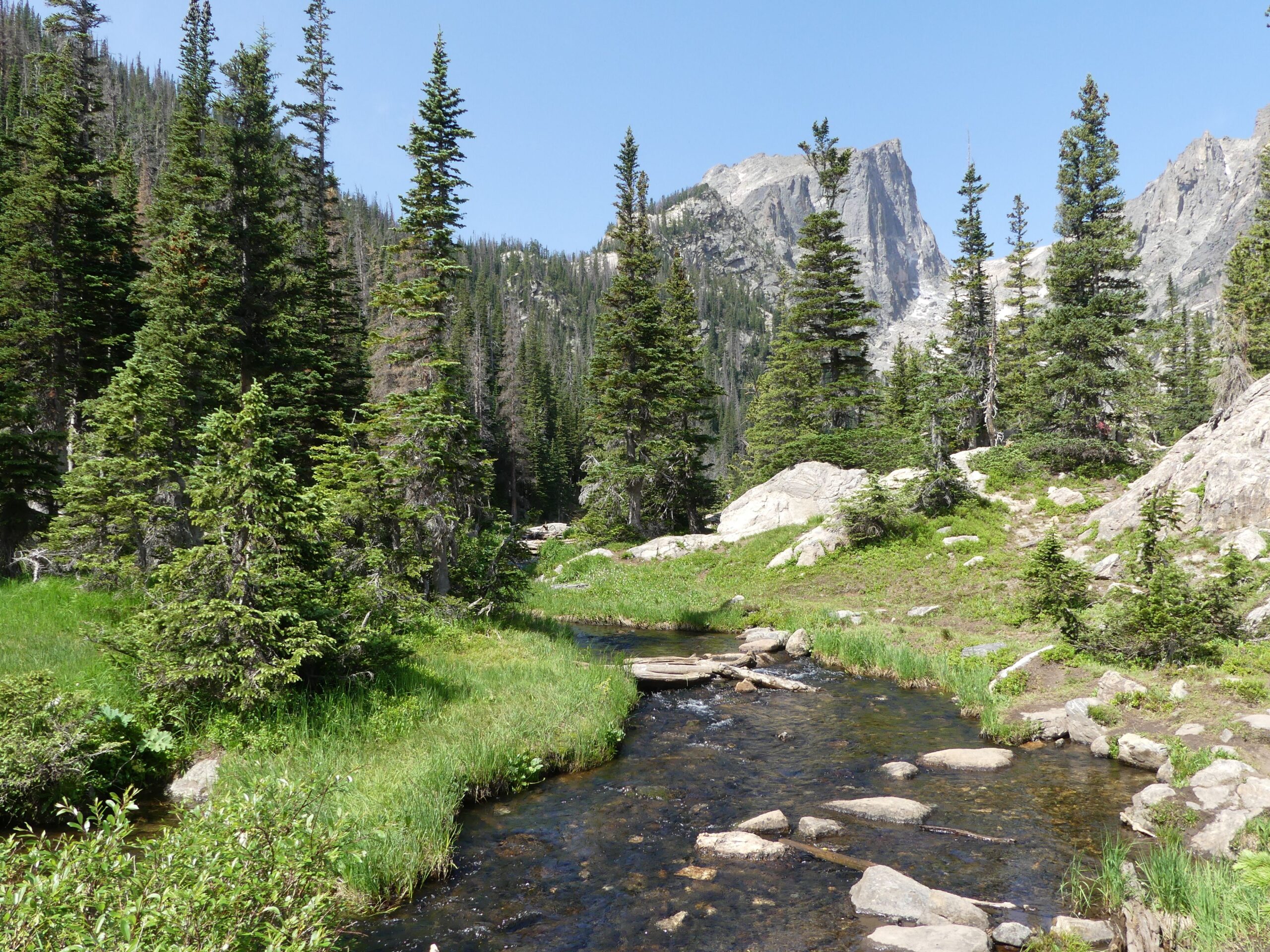
Image credit: A creek in Rocky Mountain National Park, Colorado. Illustrative photo; not Homestake Creek or the proposed reservoir site. Photo: Jody Vitek / Pexels.