A slow trip on I-70 can cost you time at home, time at work or part of a day you planned to spend in the mountains. A 2026 study tries to put a dollar figure on those wider effects.
The Metro Denver Economic Development Corporation’s I-70 analysis estimates $2.25 billion in annual congestion costs along the Denver-to-Grand Junction corridor. The figure is an economic estimate expressed in 2025 dollars, rather than a direct charge to motorists.
What goes into the estimate?
The study presentation hosted by the Denver Regional Council of Governments identifies several components:
- About $1.9 billion in economic output associated with an assumed 0.5% reduction in worker productivity and business efficiency.
- $319 million assigned to residents’ lost personal time.
- $47 million in tourism spending at risk under a 1% reduction in the mountain resort region.
- Approximately $2 million in related government revenue impacts.
The rounded categories explain the scale of the estimate. They should not be read as separately audited losses for individual businesses or households.
Why it matters locally
Consider the planning problem behind a delayed trip: a worker has a shift to reach, a business expects a delivery, or a family has a limited window for an outing. Reliability matters alongside the length of the drive.
There is also an important limit to the headline number: it covers a broad corridor. It is not an Eagle County-only total or a prediction of what your next trip will cost.
What about solutions?
In its May recap of an I-70 Coalition presentation, the Town of Frisco described a combination of highway improvements, high-speed transit and measures that change travel demand. The coalition’s work includes encouraging travel outside peak hours, carpooling and transit. Read the town’s recap.
Those approaches raise different questions about cost, timing and access. A large estimate of congestion’s effects does not, by itself, establish which project offers the best answer.
For your own plans, start with COtrip before departure. Check the route, leave room for delays and review any transit option against the trip you actually need to make.
Sources reviewed October 9, 2026. This article explains published estimates and does not independently reproduce the study’s economic model.
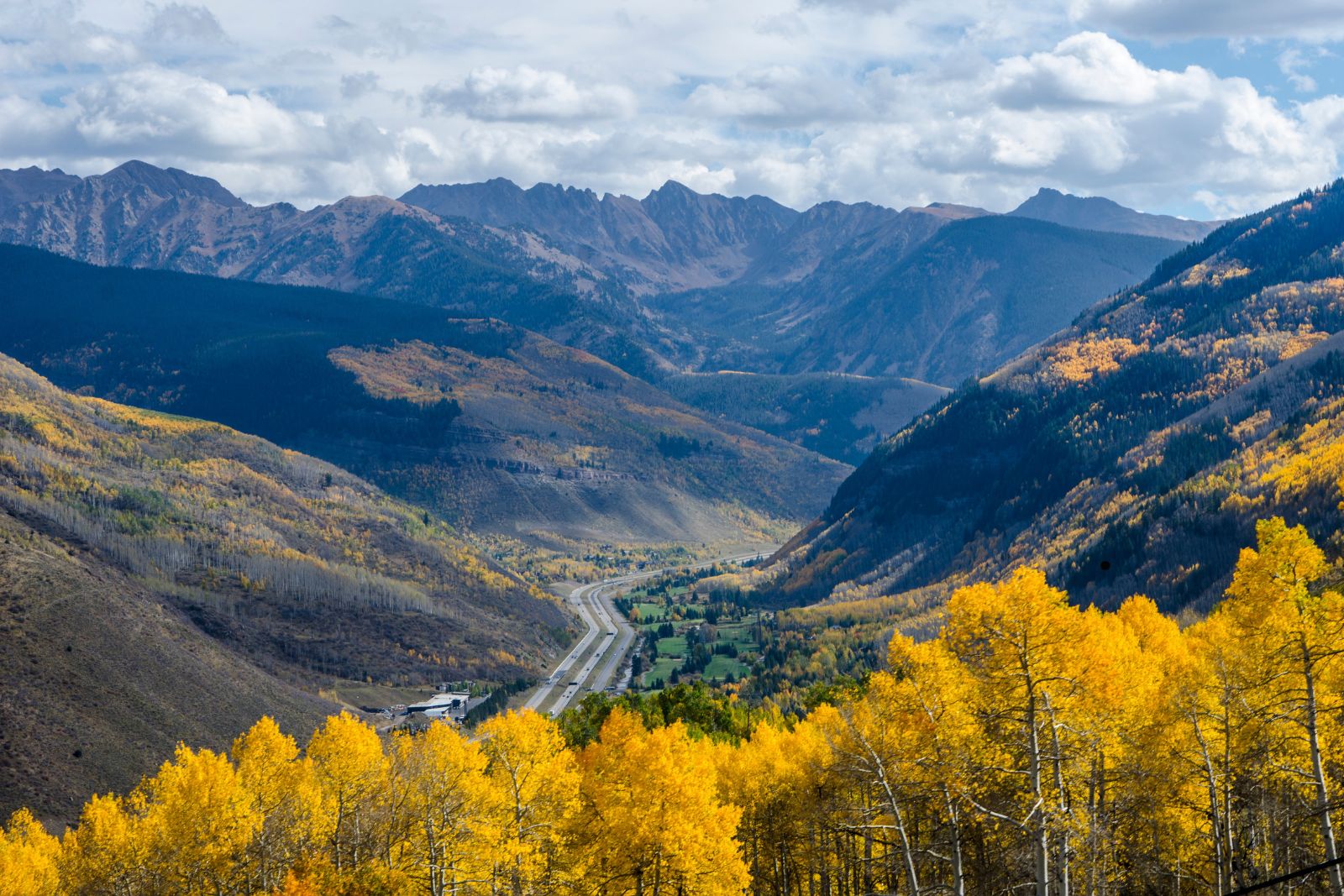
Image Credit: Illustrative mountain highway photo via Canva; not current traffic conditions.