Colorado’s conservation easement tax credit will remain available through the 2036 income tax year. State lawmakers extended the program beyond its previous 2031 endpoint when they passed House Bill 26-1230, which Gov. Jared Polis signed June 1.
The change matters in Eagle County, where private ranches, river corridors and open spaces can face pressure to develop. An Eagle Valley Land Trust event listing for Oct. 19 in Edwards highlighted the extension and said organizers planned to recognize Rep. Elizabeth Velasco and Sen. Dylan Roberts for their work on it.
What is a conservation easement?
A conservation easement is a voluntary legal agreement between a landowner and a qualified organization. It limits certain future uses of a property to protect values such as wildlife habitat, agricultural land or scenery. The agreement stays with the land when ownership changes.
Crucially, the landowner still owns the property. The exact restrictions depend on the agreement. Eagle Valley Land Trust says many owners continue activities such as grazing or crop production while giving up some development or subdivision rights. The organization monitors the property to make sure the agreement is followed. Its conservation easement guide explains how these arrangements work locally.
What does the tax-credit extension change?
Colorado offers a state income tax credit for qualifying conservation easement donations. The new law extends the years in which that credit is available, from 2031 through 2036. It does not automatically protect any parcel or award a credit to every landowner.
A potential easement still requires the landowner, a qualified holder and a review of the property’s conservation value. Landowners also need professional advice about appraisals, costs and tax eligibility before committing to a permanent agreement. Eagle Valley Land Trust outlines those steps in its landowner process guide.
Does protected land become public land?
No. A conservation easement does not automatically create a trail or give the public permission to enter private land. Public access is a separate choice set by the agreement and the owner. Some protected properties welcome visitors; others remain private.
That distinction is important for residents who see a protected meadow or ranch from the road. The easement can preserve its open character and habitat without changing who owns it or who may walk across it.
For Eagle County, the extended credit keeps one long-term conservation tool available. Whether it protects a particular place will depend on a willing landowner and a carefully negotiated agreement.
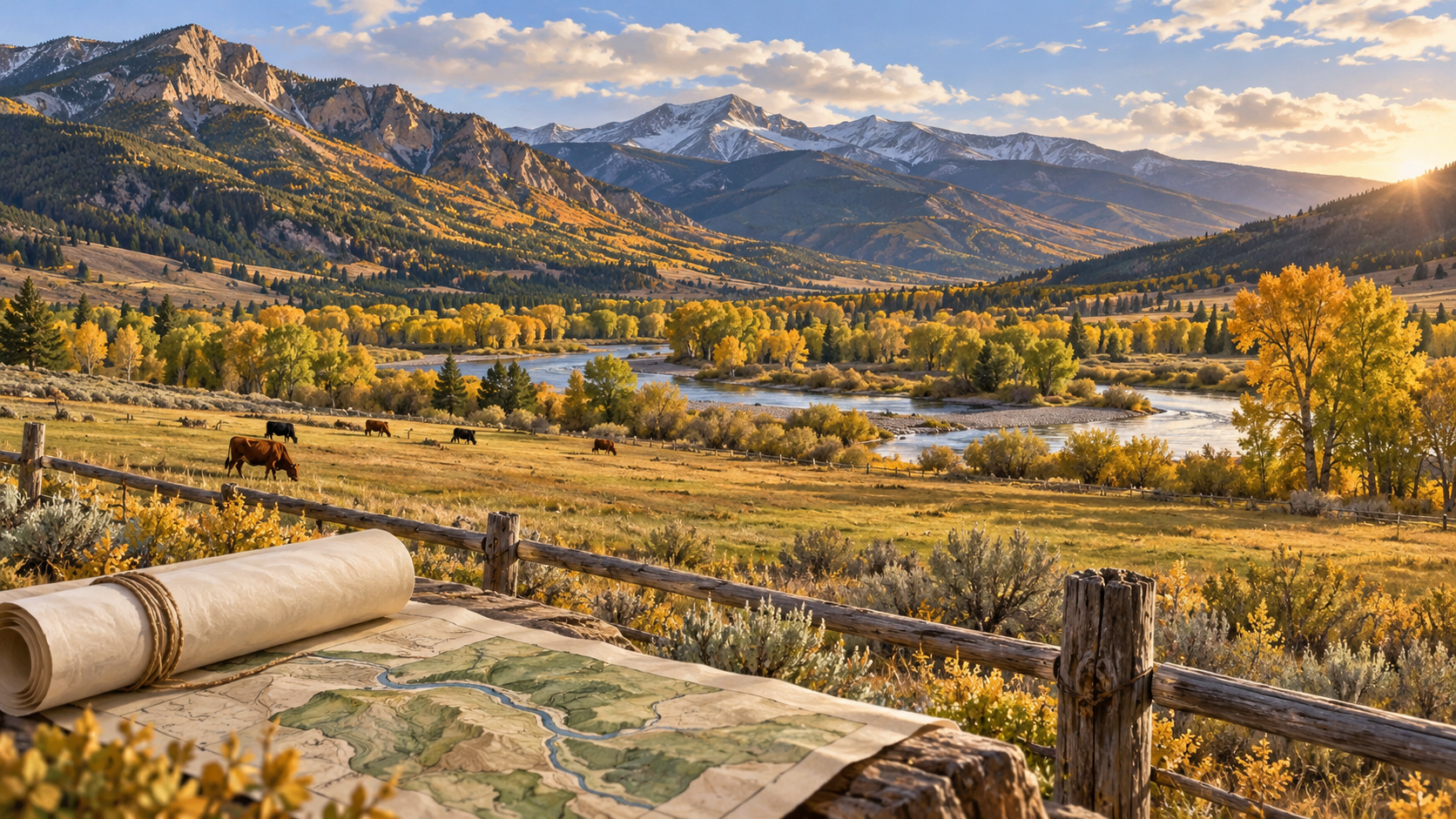
Featured image: AI-generated editorial illustration of a conceptual mountain landscape, not a photograph of a specific property.
